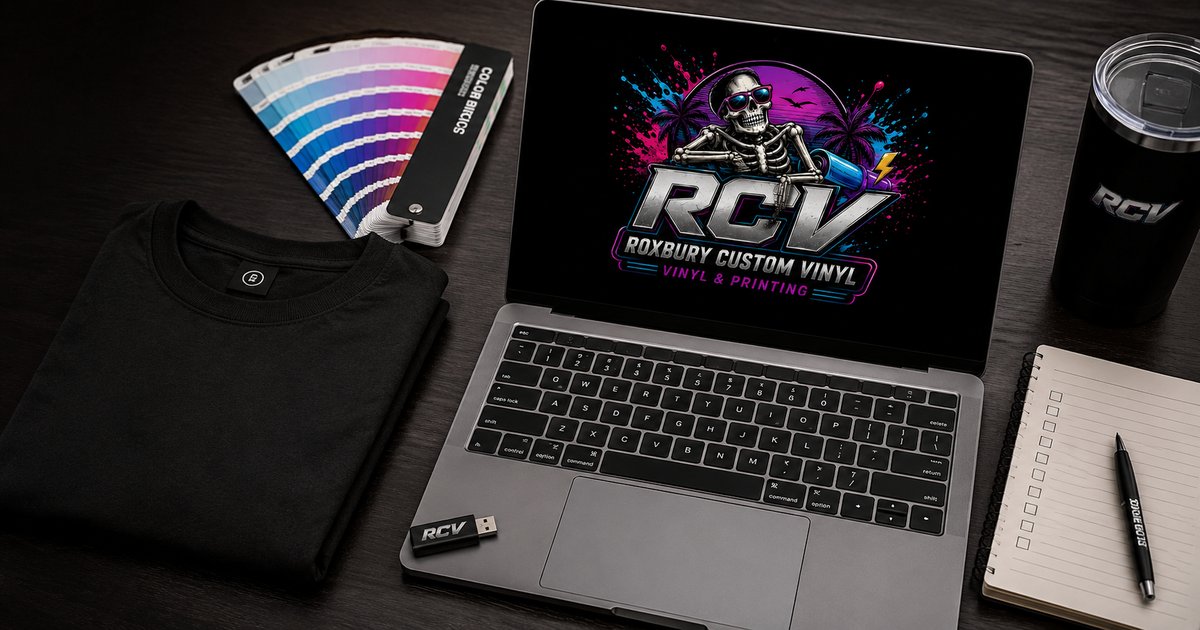
Ordering custom printing for the first time can feel like walking in without knowing what you're supposed to know. Here's what actually helps.
Bring your logo, in whatever form you have it. We'll tell you what's usable and what needs work.
Know your rough quantity. "Around 20" versus "around 200" changes which printing method makes sense.
Think about where it'll be worn. Job site, office, event, storefront — this affects fabric recommendations.
Have a rough budget in mind. Knowing your range lets us build options around what actually works for you.
Know your timeline. "Whenever" and "need it in 10 days" are very different conversations.
Coming in with even half of this covered saves a round of back-and-forth before we can get you a real quote.
Project preparation
Bring the Goal Before the Product
Explain who will use the item, what it must accomplish, where and how it will be worn, the desired impression, and what went wrong or right with past orders. A printer can recommend a better garment and process when the real purpose is clear.
Bring the Best Artwork Available
Original vector files, transparent high-resolution PNGs, brand guidelines, approved colors, and prior production files are ideal. If you only have a small image or photo of an old shirt, bring that honestly rather than attempting to enlarge or convert it yourself. RCV can evaluate whether it needs cleanup, redrawing, or redesign.
Bring Real Quantities and Sizes
Estimate the number of pieces, then collect dependable size information as early as possible. Identify youth versus adult sizes clearly and note personalization such as names, numbers, departments, or job titles. Quantity affects product options, production planning, and price.
Bring Two Dates
Provide the actual event or launch date and the earlier date you need finished products in hand. Distribution, travel, organizer sorting, and unexpected corrections require a buffer. “As soon as possible” is not as useful as a clear schedule.
Bring Budget Context
A realistic range helps the shop recommend where quality will be noticeable and where a dependable standard option is enough. For fundraisers, share the selling price, audience, and proceeds goal. For businesses, explain expected use and reorders rather than focusing only on the first unit cost.
Bring Examples of What You Like—With Specific Reasons
Reference images are helpful when you identify the relevant feature: garment fit, print size, color relationship, layout, texture, or overall mood. They are not permission to copy another brand's protected artwork.
RCV meeting checklist: purpose, wearer, quantity by size, garment ideas, artwork, colors, print locations, personalization list, budget, deadline, delivery plan, and one authorized decision-maker.
Questions Worth Asking the Printer
- Which decoration method fits this artwork and garment, and why?
- What is included in the quote?
- How will artwork and spelling be approved?
- What happens if the preferred garment becomes unavailable?
- What care instructions apply?
- When are changes no longer possible?
Roxbury Custom Vinyl makes the first conversation practical and understandable. You do not need to arrive as a printing expert; you need to bring the project facts, and RCV will guide the production decisions.
What You Do Not Need to Decide in Advance
You do not need to know whether the job should use DTF or heat-transfer vinyl, which wholesale blank is best, or how many inches wide a standard print should be. Bring the goal and constraints. A responsible printer should explain the method, garment, placement, and pricing recommendation in understandable terms.
Organize variable information
Provide names, numbers, departments, or titles in a clean typed table linked to the correct size and garment. Identify intentional duplicates and confirm capitalization. Assign one person to approve the final list. Photographs of handwritten notes create avoidable risk.
Understand the proof
A digital proof confirms artwork, wording, general placement, dimensions, and colors as represented on screen. It is not a calibrated photograph of the final garment; screens, fabrics, and production materials display color differently. Review content and specifications carefully and ask questions before approval.
Know when changes stop
Custom production becomes difficult or impossible to reverse after garments are ordered, artwork is finalized, or printing begins. Confirm the shop’s approval and change process. Early decisions preserve options; last-minute changes can affect cost and completion.